
How to Handle Difficult Customers and Bad Reviews as a Driver
As a delivery driver, you're not just moving packages—you're representing a brand and managing customer relationships. Difficult customers and negative reviews are inevitable parts of the job, but how you handle them can make the difference between a fleeting complaint and lasting damage to your reputation and income. Research shows that customer satisfaction ratings directly impact your opportunities and earning potential.
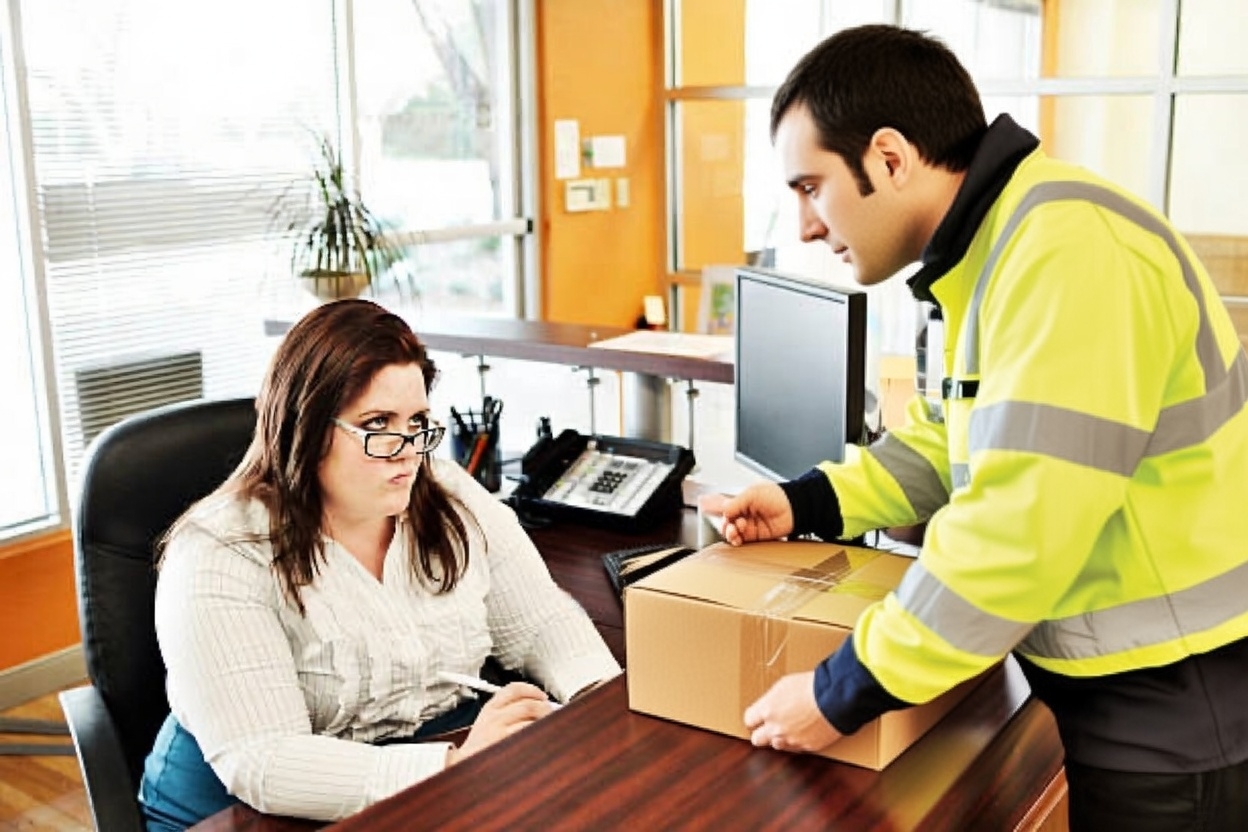
Why Bad Reviews Hurt Your Bottom Line
A single 1-star review can cost you real money. Studies show that drivers with ratings below 4.5 stars lose opportunities to drivers with higher ratings. Platforms prioritize high-rated drivers for premium routes, higher-paying jobs, and consistent work. One bad review doesn't destroy your rating, but a pattern of complaints will.
Master De-Escalation: Stay Calm Under Pressure
An angry customer is testing you. When faced with aggression or hostility, your natural instinct might be to defend yourself or argue back. Don't. This is exactly when you need to stay professional.
Here's how:
- Take a physical breath: A deep breath signals your nervous system to calm down. Your tone and body language will follow.
- Lower your voice: When customers are shouting, they expect you to match their energy. Speak 10% quieter than normal. This naturally de-escalates tension.
- Use their name if you know it: "Mr. Johnson, I understand your frustration..." personalizes the interaction and shows respect.
- Empathize without taking blame: Say "I can see why you're upset" not "I'm sorry I'm terrible at my job." One acknowledges their feelings; the other undermines your credibility.
- Avoid defensive language: Never say "Well, I did..." or "That's not my fault." Instead say "Let me help resolve this."
Active Listening: Find the Root Problem
Most customers aren't angry about the delivery itself. They're angry because something else happened—a missed window, a damaged package, late arrival for an important event, or feeling disrespected.
When a customer complains, 80% of the time, they just want to be heard. Resist the urge to interrupt with excuses. Let them finish.
Active listening looks like:
- Silent acknowledgment: Let them vent without interrupting. Don't plan your response while they're talking.
- Clarifying questions: "So the package arrived at 5:45 PM, but you needed it by 5:00? Is that correct?"
- Repeating back: "If I understand, you're frustrated because the delivery was late and that caused you to miss your event. Is that right?"
- Apologize for impact, not blame: "I'm sorry that late delivery disrupted your evening" shows you care about their experience, not that you failed.
Document Everything—Protect Yourself
Documentation isn't just for bad situations—it's your armor when disputes arise. A customer might claim you never knocked, damaged their package, or were rude. Without records, it's your word against theirs.
What to document:
- Delivery photos: Snap a photo of packages at the delivery point (unless company policy forbids it). Timestamp photos prove what you delivered and where.
- Time records: Log exact delivery times. This protects you if a customer claims you arrived outside their window.
- Conversation notes: After an argument, write down what was said, when, and by whom. Include their contact info and exact complaints. Do this immediately while memory is fresh.
- Condition reports: If a package was already damaged when you received it, note that. Take a photo. This protects you from being blamed for pre-existing damage.
- Special instructions: If a customer gives you unusual delivery instructions ("Leave at back gate, not front door"), photograph the final location to prove you followed orders.
Handling Negative Reviews: Damage Control
Despite your best efforts, you'll eventually get a bad review. How you respond matters enormously.
Step 1: Don't Respond Emotionally
When you read "Worst driver ever. Rude and late," your first instinct is to fire back with your side of the story. Don't. Wait 24 hours. Let the anger fade. Then respond professionally.
Step 2: Respond Publicly with Professionalism
Other customers see your response. A defensive, angry reply makes YOU look bad. Here's a template:
This tells other customers: "I care, I'm professional, and I stand behind my work."
Step 3: Provide Context, Not Excuses
If a review is factually incorrect, gently correct it:
This proves the review is inaccurate without being defensive.
Step 4: Request Removal if Appropriate
If a review is false, abusive, or violates platform guidelines, report it. Many platforms remove reviews that are demonstrably inaccurate or contain personal attacks.
Building a 5-Star Reputation: Proactive Strategies
1. Over-Communicate During Problem Deliveries
If you're running late, contact the customer before they contact you. A message saying "Running 10 minutes behind—will arrive by 4:15 PM" prevents frustration because they knew what to expect.
2. Go the Extra Mile (Literally)
Leave packages in safer spots even if instructed otherwise (if safe). Ring doorbells twice. Call if no one answers. These small actions prevent "package stolen" complaints.
3. Handle Complaints Immediately
A customer who got a late delivery but received immediate compensation and an apology is more likely to give you 5 stars than a customer who got perfect service but felt ignored when something went wrong.
4. Track Your Own Reputation
Check your ratings weekly. If you see a pattern (customers saying you're always late, rude, etc.), address it immediately. One bad driver habit costs you thousands yearly.
The Bottom Line
Your reputation is your most valuable asset as an independent driver. A 4.8-star rating with 100 reviews opens doors that a 3.5-star rating closes. Stay calm, listen, document, and respond professionally. Most difficult customers can be turned into promoters if you handle them right.
Related Articles
Staying Safe on the Road: 10 Essential Safety Tips
Master essential safety practices to stay secure. Learn how to handle dangerous situations every day.
Staying Safe: A Delivery Driver's Guide to Handling Aggressive Dogs
Expert-backed strategies to recognize, de-escalate, and protect yourself from aggressive dogs.
Master Your Delivery Routes & Customer Relations
Download Routed today and manage your routes, ratings, and reputation all in one place.
Download Routed App